When it comes to tasty vegan meals, Korean cuisine often gets overlooked. I created this post because I wanted to share the amazing world of vegan Korean noodle recipes that burst with bold umami flavors. With a rich history of using fermented ingredients, Korean dishes can easily be made plant-based without losing their essence.
If you’re someone who loves to explore new flavors or is looking for healthier meal options, you’re in the right place. Whether you’re a long-time vegan or just curious about plant-based meals, these recipes cater to all taste buds. You’ll discover delicious ways to enjoy vegan noodles that are comforting, satisfying, and packed with nutrition.
In this post, I’ve gathered 12 vegan Korean noodle recipes that make it easy to enjoy this delightful cuisine at home. From spicy kimchi noodle soup to refreshing cold noodle salads, each dish is designed to bring joy to your meal times. Get ready for a culinary adventure that will not only satisfy your cravings but also keep your meals exciting and healthy.
So, grab your chopsticks and get ready to dive into a world of umami recipes that are perfect for any occasion. Let’s transform simple ingredients into flavorful, hearty dishes that everyone will love!
Key Takeaways
– Discover 12 delicious vegan Korean noodle recipes that are rich in flavor and nutrition.
– Explore unique dishes featuring fermented ingredients like kimchi and gochujang for authentic taste.
– Learn how to prepare comfort food favorites such as spicy ramen and cold noodle salads with ease.
– Each recipe is crafted to be satisfying and healthy, making it perfect for plant-based diets.
– Enjoy a variety of textures and flavors that showcase the versatility of Korean cuisine in vegan cooking.
1. Spicy Kimchi Noodle Soup

Craving something spicy and warm? This Spicy Kimchi Noodle Soup is just what you need! With a flavorful broth steeped in gochugaru and soy sauce, it offers a taste explosion that’s both comforting and invigorating. The vibrant kimchi brings tangy heat, making it a staple for plant-based eating that warms you from the inside out.Each bowl is a feast for the eyes, too, with fresh scallions, seaweed, and sesame seeds adding a pop of color. Perfect for those cooler nights when a hearty meal is in order.
Ingredients:
– 4 cups vegetable broth
– 1 cup kimchi, chopped
– 200g ramen noodles
– 2 tablespoons soy sauce
– 1 teaspoon gochugaru (Korean chili flakes)
– 2 green onions, sliced
– 1 sheet nori, cut into strips
– Sesame seeds for garnish
Instructions:
1. Bring vegetable broth to a simmer in a pot.
2. Stir in kimchi, soy sauce, and gochugaru, letting it simmer for about 10 minutes.
3. Cook ramen noodles as per package instructions in another pot.
4. Drain noodles and blend them into the broth.
5. Serve hot, topped with green onions, nori strips, and sesame seeds.
– For an extra kick, drizzle some chili oil before serving.
– Top with additional kimchi for enhanced flavor!
FAQs:
– Can I use gluten-free noodles? Yes, substitute with your favorite gluten-free noodles.
– Can I make it spicy? Adjust the gochugaru to your preferred heat level.
Spicy Kimchi Noodle Soup
Editor’s Choice
Price updated on December 17, 2025 at 5:52 PM

Taekyung Chili Powder For Kimchi (Flake, 5LB) – Korean Gochugaru. Red Pe…


Spiceology – Gochugaru Korean Chile Flake – Mild, Fruity & Smoky Red Chi…
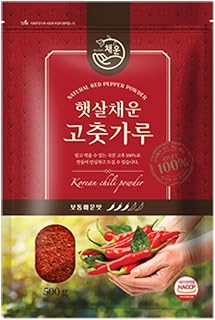
HELLO KFOOD Korean Premium Red Chili Pepper Flakes 1.1Lb 500g – Very Spi…

NICE WITCH’S 100% Natural Dried Red Pepper Flakes 500g (1.1 lb) – Perfec…

Red Korean Gochugaru Chili Pepper Flakes by Magic Plant, 1 Kg Bulk – 1K–…
2. Vegan Japchae (Sweet Potato Noodles)
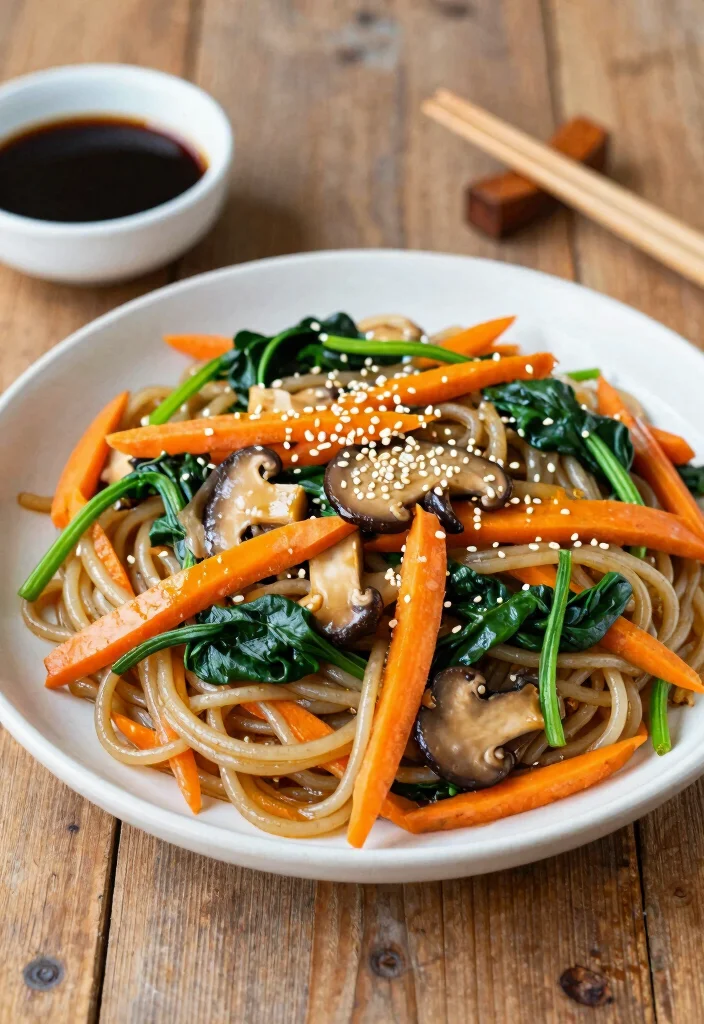
Feeling like indulging in something chewy and flavorful? Vegan Japchae, made with sweet potato noodles, is the perfect dish! This vibrant meal bursts with umami flavors and is packed with colorful vegetables. The harmonious blend of sesame oil and soy sauce enhances every bite, giving you a delightful taste of Korean cuisine.With mushrooms, spinach, and carrots stir-fried to perfection, this dish is not just delicious but also visually appealing. Whether served warm or cold, it’s a versatile choice for any occasion.
Ingredients:
– 200g sweet potato noodles
– 1 cup spinach
– 1 carrot, julienned
– 1 cup shiitake mushrooms, sliced
– 3 tablespoons soy sauce
– 1 tablespoon sesame oil
– 1 tablespoon sugar (or maple syrup)
– 2 tablespoons sesame seeds
Instructions:
1. Soak sweet potato noodles in warm water for about 30 minutes.
2. In a skillet, heat sesame oil and stir-fry mushrooms, carrots, and spinach for about 5-7 minutes.
3. Drain soaked noodles and add them to the skillet.
4. Mix in soy sauce and sugar, stirring well.
5. Toss in sesame seeds before serving.
– Feel free to add any leftover veggies to minimize waste.
– Adjust sweetness by adding more sugar if desired.
FAQs:
– Can I make this gluten-free? Yes, use tamari instead of soy sauce.
– Can I add protein? Absolutely! Tofu or tempeh work well.
Vegan Japchae (Sweet Potato Noodles)
Editor’s Choice
Price updated on December 17, 2025 at 5:52 PM

APEXY Sweet Potato Glass Noodles, Japchae Noodles, Korean Vermicelli Pas…

Ottogi Korean Sweet Potato Glass Noodles (Dangmyeon) – 2.2 lbs (1kg) – T…

Assi, Sweet Potato Noodles 1.5 Pound, Jabchae, 24 Ounce (2-Pack)

Chung Jung One Sweet Potato Glass Noodle (1000) 10 Packs

The SnackYard Sweet Potato Vermicelli | Korean style |Only one ingredien…
3. Gochujang Stir-Fried Noodles

Do you enjoy a touch of heat in your meals? Gochujang Stir-Fried Noodles are an excellent choice! This quick dish combines the fiery flavor of gochujang with soy sauce to create a robust sauce that perfectly coats your noodles. Mixed vegetables add crunch and nutrition, making every bite satisfying and delicious.It’s perfect for a weeknight dinner when time is short but you want something filling and flavorful. In just 30 minutes, you can enjoy a dish that’s sure to please everyone at the table!
Ingredients:
– 200g rice noodles
– 2 tablespoons gochujang
– 3 tablespoons soy sauce
– 1 tablespoon maple syrup
– 1 cup mixed vegetables (bell peppers, zucchini, carrots)
– 1 tablespoon vegetable oil
– Sesame seeds for garnish
Instructions:
1. Cook rice noodles according to package instructions.
2. Heat vegetable oil in a pan and sauté mixed vegetables for about 5 minutes.
3. Stir in gochujang, soy sauce, and maple syrup.
4. Add cooked noodles to the pan and toss until coated.
5. Serve warm, garnished with sesame seeds.
– Adjust gochujang to control the spice level.
– This dish can easily accommodate any protein like tofu or tempeh for added heartiness.
FAQs:
– Can I use a different type of noodle? Absolutely, any noodle you prefer will work well.
– Can I add more veggies? Yes, feel free to toss in your favorites!
Fun fact: vegan korean noodle recipes can come together in 30 minutes with gochujang’s heat and soy. This quick stir-fry coats noodles and crunch veggies in a bold, fermented flavor. Perfect for weeknights, it proves you can have restaurant-worthy umami at home.
Gochujang Stir-Fried Noodles
Editor’s Choice
Price updated on December 17, 2025 at 5:52 PM
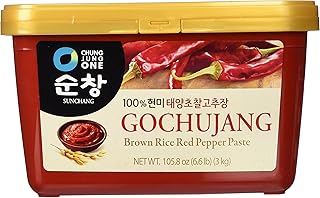
Chung Jung One Sunchang Gochujang – Red Pepper Paste (6.6lbs) (3kg)


Lucky Foods Seoul Gochujang Chili Paste, Non GMO (Pack of 4-4oz tubes)
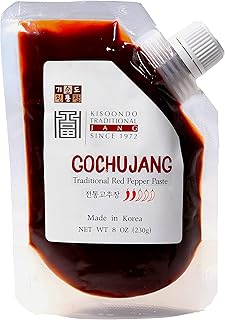
Kisoondo Gochujang (8oz) – Traditional Korean Red Chili Paste. Fermented…

GOCHUJANG Korean Traditional Fermented Spicy Chili Pepper Paste 350g/12….
4. Vegan Cold Noodle Salad
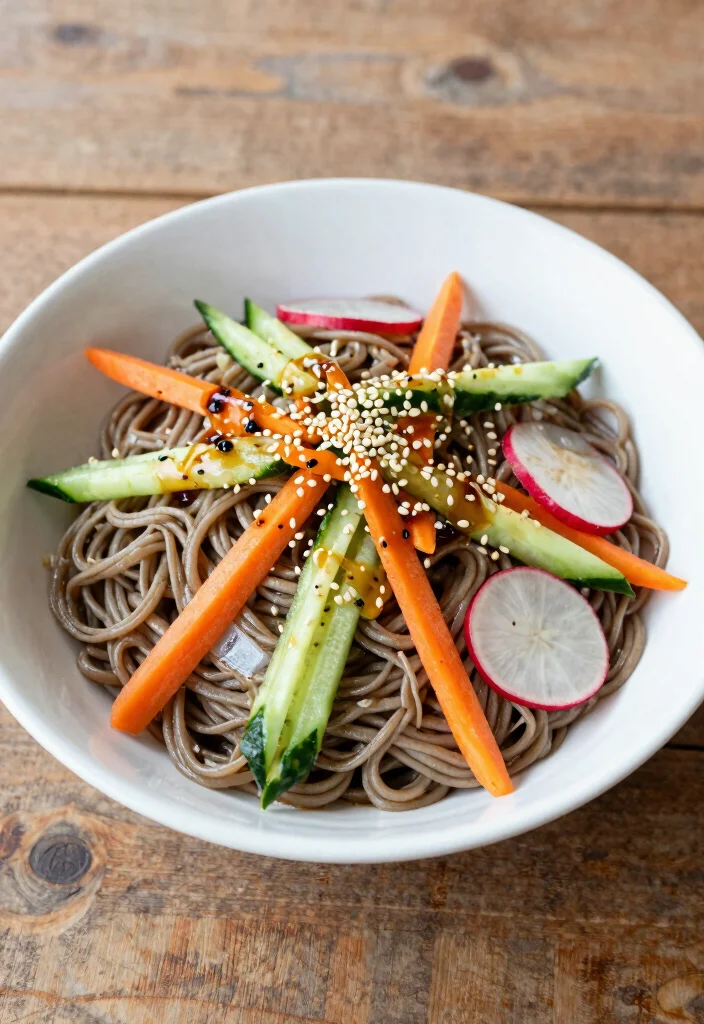
Searching for a refreshing meal? Korean Cold Noodle Salad is a fantastic option for warm days or light lunches. This vegan twist features chewy noodles tossed in a tangy sauce made from gochujang and rice vinegar, enhancing the umami flavors. With cucumbers, carrots, and radishes adding crunch, this dish is as delightful to eat as it is to look at.Easily prepared ahead of time, it’s perfect for quick meals or summer picnics. Serve chilled to maximize the flavors, and sprinkle sesame seeds for an appealing finish.
Ingredients:
– 200g soba noodles
– 1 cucumber, julienned
– 1 carrot, julienned
– 1 radish, thinly sliced
– 3 tablespoons gochujang
– 2 tablespoons rice vinegar
– 1 tablespoon sesame oil
– 1 tablespoon maple syrup
– Sesame seeds for garnish
Instructions:
1. Cook soba noodles according to package instructions, then drain and rinse under cold water.
2. In a bowl, whisk together gochujang, rice vinegar, sesame oil, and maple syrup until smooth.
3. Combine cooled noodles, cucumber, carrot, and radish in a large bowl.
4. Pour the sauce over the salad and mix well.
5. Serve chilled, garnished with sesame seeds.
– Add extra veggies like bell peppers for more color.
– Use leftover vegetables for a quick and easy meal.
FAQs:
– Can I make this nut-free? Yes, simply omit the sesame oil.
– Can I use other types of noodles? Yes, feel free to swap for your favorite noodle type.
Vegan Cold Noodle Salad
Editor’s Choice
Price updated on December 17, 2025 at 5:52 PM

Sukina Soba Noodles – Traditional Japanese Buckwheat Pasta with Delicate…

Lotus Foods Organic Soba Rice Noodles – Organic Rice Noodles, Asian Nood…

Eden, 100% Organic Buckwheat Soba Pasta, Gluten Free, Traditionally Made…

O’food Gochujang Korean Chili Sauce, Vegan Friendly, Gluten Free, 7.5 Ou…

Kevala Organic Toasted Sesame Oil – 64 fl oz – 1/2 Gallon – Cold Pressed…
5. Tofu and Vegetable Ramen
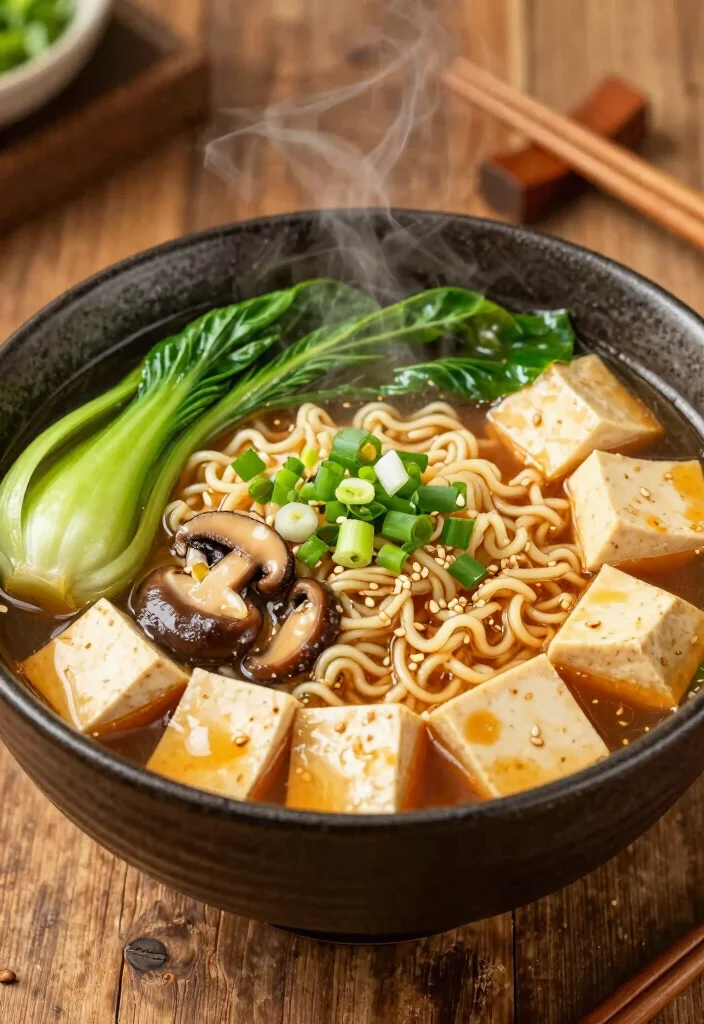
Looking for a comforting bowl of noodles? This Tofu and Vegetable Ramen is just what you need! A savory broth made from soy sauce and miso packs a deep umami punch, perfectly complementing the tender vegetables and chewy tofu. This dish is hearty and nutritious, making it a satisfying option for any meal.You can customize each bowl with your favorite vegetables or swap tofu for tempeh. Serve with a side of kimchi for a flavorful addition, and you’ll have a meal that impresses.
Ingredients:
– 200g ramen noodles
– 1 block firm tofu, cubed
– 4 cups vegetable broth
– 2 tablespoons soy sauce
– 1 tablespoon miso paste
– 1 cup bok choy, chopped
– 1 cup mushrooms, sliced
– 2 green onions, sliced
– Sesame oil for drizzling
Instructions:
1. Heat a bit of oil in a pot and sauté tofu until golden brown. Set aside.
2. In the same pot, combine vegetable broth, soy sauce, and miso paste, bringing to a simmer.
3. Cook ramen noodles according to package instructions, then drain.
4. Add bok choy, mushrooms, and tofu to the broth, cooking until tender.
5. Serve with noodles, garnished with green onions and a drizzle of sesame oil.
– Add other vegetables like corn or baby spinach for variety.
– For a spicy touch, mix in some chili paste or oil.
FAQs:
– Can I use instant noodles? Yes, just adjust cooking times accordingly.
– Is this dish gluten-free? Use gluten-free noodles and soy sauce to keep it gluten-free.
Tofu and Vegetable Ramen
Editor’s Choice
Price updated on December 17, 2025 at 5:54 PM

Miso Master Organic Traditional Red and Dom Miso, 8 Ounce — 6 per case….

Koyo Ramen Soup, Asian Vegetable, Made With Organic Noodles, No MSG, No …

RAMEN EXPRESS Soy Sauce Flavor Ramen Noodle Packs, 3 Oz Each (Pack Of 24…
OTTOGI 100% Pure Premium Roasted Sesame Oil, Toasted to Perfection, Trad…

Momofuku Soy & Scallion Ramen Noodles by David Chang, 5 Count (Pack of 1…
6. Kimchi Udon Noodles

Are you ready for a flavor-packed meal? Dive into these Kimchi Udon Noodles! The chewy udon noodles perfectly complement the spicy, fermented kimchi in this simple stir-fry that you can customize to your spice preference. This dish is both comforting and exciting, making it ideal for busy weekdays when you want something satisfying and quick.With a short preparation time, you can whip up this delicious meal in no time, making it a great option for any night of the week.
Ingredients:
– 300g udon noodles
– 1 cup kimchi, chopped
– 1 bell pepper, sliced
– 1 cup bean sprouts
– 1 tablespoon soy sauce
– 2 teaspoons sesame oil
– Green onions for garnish
Instructions:
1. Cook udon noodles according to package instructions and set aside.
2. Heat sesame oil in a large skillet and sauté bell pepper for about 3 minutes.
3. Add kimchi and stir-fry for another 2 minutes.
4. Toss in udon noodles and soy sauce, mixing everything until heated through.
5. Garnish with green onions before serving.
– Pair with a protein like tofu for a heartier meal.
– You can add more vegetables based on what you have on hand.
FAQs:
– Can I use other types of noodles? Sure, any noodle type works well!
– Can I adjust the spice? Yes, add more kimchi or chili oil for a spicier kick.
Kimchi Udon Noodles
Editor’s Choice
Price updated on December 17, 2025 at 5:54 PM

KA-ME Udon Noodles – Fresh Cooked Stir Fry Noodles 14.2 oz (Pack Of 6), …

Unha’s Japanese Sanuki Fresh Udon Noodles, Jumbo Chewy Noodles, No Soup …

Hakubaku Organic Udon, Authentic Japanese Wheat Noodles, No Added Salt, …

SEOUL SISTERS Korean Kimchi – Naturally Fermented, MSG-Free, Vegan, Non-…

Kevala Organic Toasted Sesame Oil – Oil with Medium Smoke Point Suitable…
7. Miso Zucchini Noodles
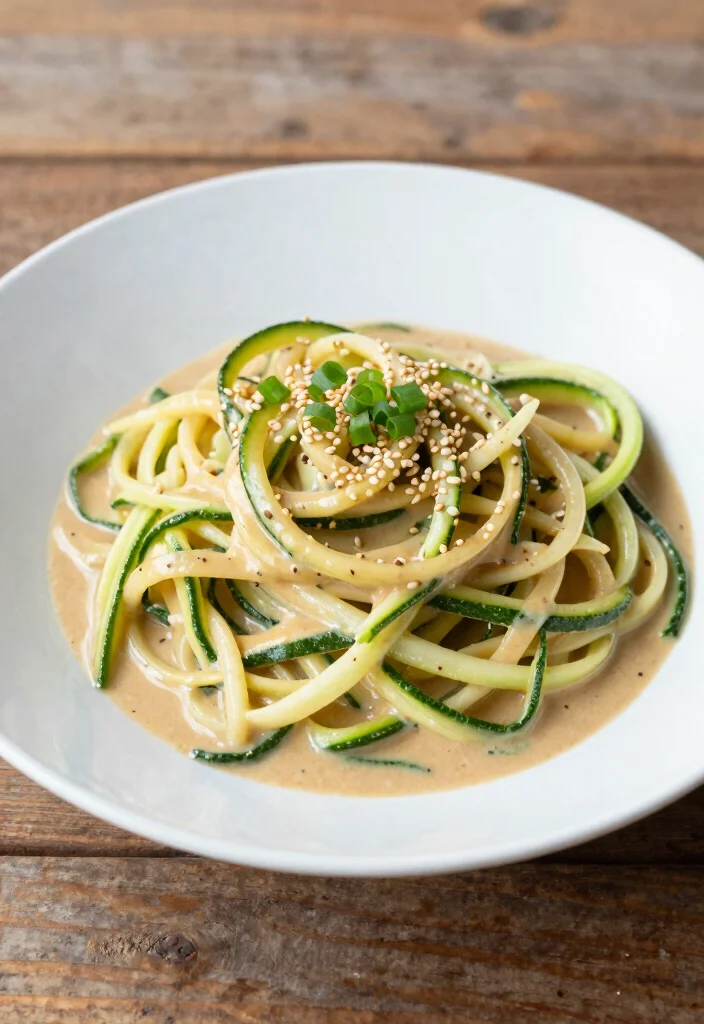
Want a lighter, nutritious dish? Miso Zucchini Noodles are a fantastic choice! This recipe utilizes spiralized zucchini for a low-carb alternative, while the creamy miso sauce delivers a rich umami flavor that keeps things fresh and light. This dish is perfect for warm weather or as a side dish for any meal.Versatile and easy to customize, you can incorporate your favorite veggies or toppings, making it an excellent way to sneak more greens into your diet.
Ingredients:
– 2 medium zucchinis, spiralized
– 2 tablespoons miso paste
– 1 tablespoon soy sauce
– 1 tablespoon sesame oil
– 1 tablespoon rice vinegar
– 1 tablespoon sesame seeds
– Green onion for garnish
Instructions:
1. In a bowl, whisk together miso paste, soy sauce, sesame oil, and rice vinegar until smooth.
2. Lightly sauté spiralized zucchini in a pan for 2-3 minutes.
3. Remove from heat and mix in the sauce until evenly coated.
4. Serve garnished with sesame seeds and green onions.
– Add cherry tomatoes or spinach for color and flavor.
– Try substituting with tahini for a different twist!
FAQs:
– Can this be made ahead of time? Best served fresh but can be stored for up to a day.
– Is it suitable for meal prep? Yes, it holds up well for a day or two.
Miso Zucchini Noodles
Editor’s Choice
Price updated on December 17, 2025 at 5:54 PM

Ourokhome Zucchini Noodle Maker Spaghetti Spiralizer – 5 Blades Vegetabl…

OXO Good Grips 3-Blade Tabletop Spiralizer with StrongHold Suction


Brieftons 5-Blade Vegetable Spiralizer: Strongest-Heaviest Spiral Slicer…

Spiralizer Vegetable Slicer (4-in-1 Rotating Blades) Heavy Duty Veggie S…
8. Vegan Budae Jjigae (Army Stew)

In the mood for something hearty? Budae Jjigae, or army stew, is a beloved Korean dish that’s perfect for sharing. This vegan version combines plant-based proteins and a variety of vegetables while maintaining the classic flavors. Made with a spicy broth of gochujang and kimchi, this stew is comforting and satisfying!Pair it with rice or noodles for a delightful meal that’s sure to impress your guests or family.
Ingredients:
– 4 cups vegetable broth
– 1 cup kimchi
– 200g vegan sausage, sliced
– 1 cup tofu, cubed
– 1 cup mushrooms, sliced
– 1 cup instant noodles
– 3 tablespoons gochujang
– 1 tablespoon soy sauce
– 1 onion, sliced
Instructions:
1. In a large pot, combine vegetable broth, kimchi, gochujang, and soy sauce, bringing to a simmer.
2. Add onion, mushrooms, and vegan sausage, cooking for 10 minutes.
3. Stir in tofu and instant noodles, cooking until noodles are tender, about 5 minutes.
4. Serve hot, garnished with green onions if desired.
– Customize with any vegetables available.
– Add sliced chilies for extra heat!
FAQs:
– Can I make this ahead of time? Yes, just reheat before serving!
– Is it suitable for meal prep? Yes, it stores well in the fridge.
Fun fact: vegan Budae Jjigae delivers bold Korean umami with gochujang and kimchi, yet stays perfect for sharing. This plant-based stew proves that vegan Korean noodle recipes can be hearty, comforting, and crowd-pleasing.
Vegan Budae Jjigae (Army Stew)
Editor’s Choice
Price updated on December 17, 2025 at 5:54 PM
Chung Jung One Sunchang Gochujang – Red Pepper Paste (6.6lbs) (3kg)

Beyond Meat Beyond Sausage, Plant-Based Links, Brat Original, 16g Protei…

Field Roast Vegan Plant Based Mexican Chipotle Sausage,8 links per pack …
Koyo Ramen Soup, Asian Vegetable, Made With Organic Noodles, No MSG, No …
9. Sesame Soy Noodles with Broccoli
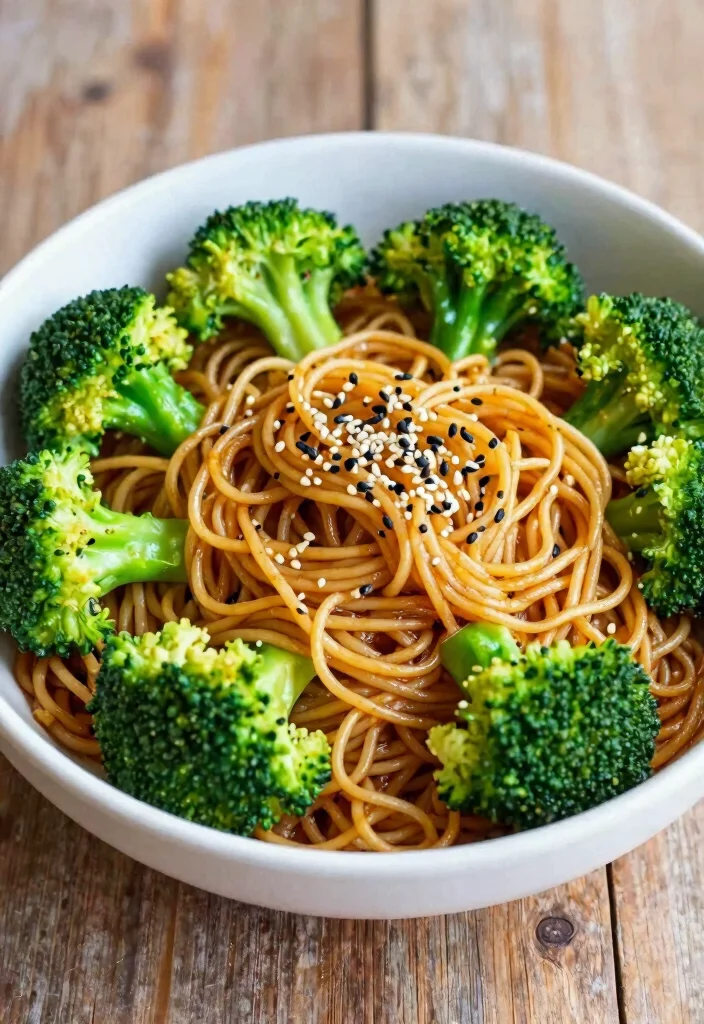
Need a quick and delicious meal? These Sesame Soy Noodles with Broccoli are a perfect solution! Combining the rich taste of sesame oil with soy sauce, this dish highlights the crunch of broccoli, making it both healthy and satisfying. It’s incredibly simple to prepare, ideal for busy weeknights when time is tight.You can whip it up in just 20 minutes, ensuring you enjoy a flavorful meal without the hassle!
Ingredients:
– 200g noodles of your choice (spaghetti or rice noodles)
– 1 cup broccoli florets
– 3 tablespoons soy sauce
– 2 tablespoons sesame oil
– 1 tablespoon sesame seeds
– 1 clove garlic, minced
Instructions:
1. Cook noodles according to package directions. Set aside.
2. In a pan, heat sesame oil and sauté minced garlic for 1 minute.
3. Add broccoli florets, stir-frying until tender.
4. Toss in the cooked noodles and soy sauce, mixing well.
5. Serve garnished with sesame seeds.
– Add other vegetables like bell peppers or snap peas for variety.
– A dash of chili flakes can add a nice kick!
FAQs:
– Is this dish gluten-free? Use gluten-free noodles and soy sauce to make it so.
– Can I add protein? Yes, tofu or edamame would work great!
Fun fact: Plant-based meals like vegan Korean noodle recipes save you time—Sesame Soy Noodles with Broccoli cook in about 20 minutes, packing bold umami with broccoli crunch. Pro tip: prep ingredients in advance for even quicker weeknights.
Sesame Soy Noodles with Broccoli
Editor’s Choice
Price updated on December 17, 2025 at 5:54 PM
Thai Kitchen Gluten Free Stir Fry Rice Noodles, 14 oz (Pack of 6)

Kevala Organic Toasted Sesame Oil – 64 fl oz – 1/2 Gallon – Cold Pressed…

Kikkoman Tamari Gluten Free Soy Sauce, 0.5 Gallon

San-J – Gluten Free Tamari Soy Sauce – Specially Brewed – Made with 100%…
10. Vegan Kimbap (Korean Sushi Rolls)
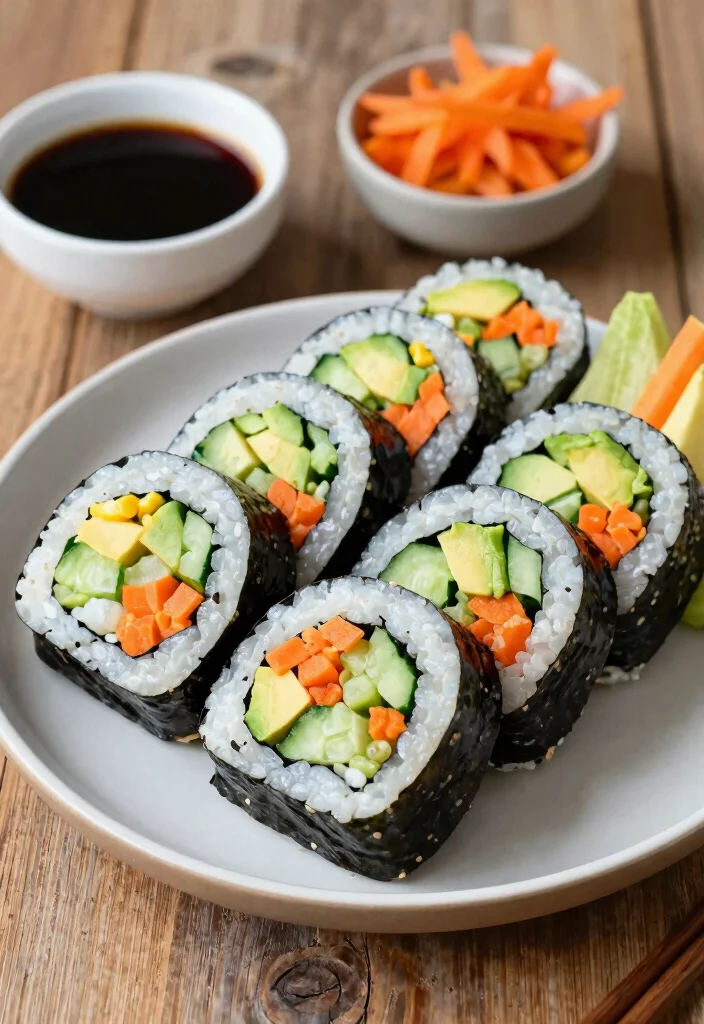
Are you looking for a fun and healthy snack? Vegan Kimbap, often called Korean sushi, is packed with fresh veggies and seasoned rice, all rolled up in seaweed for a portable meal! This dish is a joy to make and eat, allowing you to customize with whatever fillings you have on hand.The combination of flavors from sesame oil and vinegar creates a delicious bite that’s both satisfying and nutritious. Perfect for lunch or a snack on the go!
Ingredients:
– 2 cups cooked rice
– 4 sheets of nori seaweed
– 1 cucumber, julienned
– 1 carrot, julienned
– 1 cup spinach, blanched
– 1 avocado, sliced
– 2 tablespoons sesame oil
– 1 tablespoon rice vinegar
Instructions:
1. Mix cooked rice with sesame oil and rice vinegar in a bowl.
2. On a sushi mat, place a sheet of nori and spread a thin layer of rice.
3. Lay cucumber, carrot, spinach, and avocado on top.
4. Roll tightly and slice into bite-sized pieces.
5. Serve with soy sauce for dipping.
– Add pickled radish for extra crunch.
– Serve with a side of kimchi for authentic flavor.
FAQs:
– Can I make these ahead of time? Yes, they are best enjoyed fresh but can be stored for a day.
– What else can I fill them with? Feel free to include any veggies or even pickled items!
Vegan Kimbap (Korean Sushi Rolls)
Editor’s Choice
Price updated on December 17, 2025 at 5:56 PM

Raw Organic Nori Sheets 50 qty Pack! – Certified Vegan, Raw, Kosher Sush…

“Shirakiku Sushi Nori Seaweed – Japanese Sushi Nori Roasted Seaweed Shee…
Sushi Making Kit, 22 in 1 Sushi Roller Sushi Maker Kit with Bamboo Sushi…
PINGEUI 25 Pack Bamboo Sushi Mat, 9.5 x 9.5 Inch Natural Bamboo Sushi Ro…

Marukan Genuine Brewed Rice Vinegar for Enhancing Flavor & Cooking, Unse…
11. Spicy Tofu Noodles with Vegetables
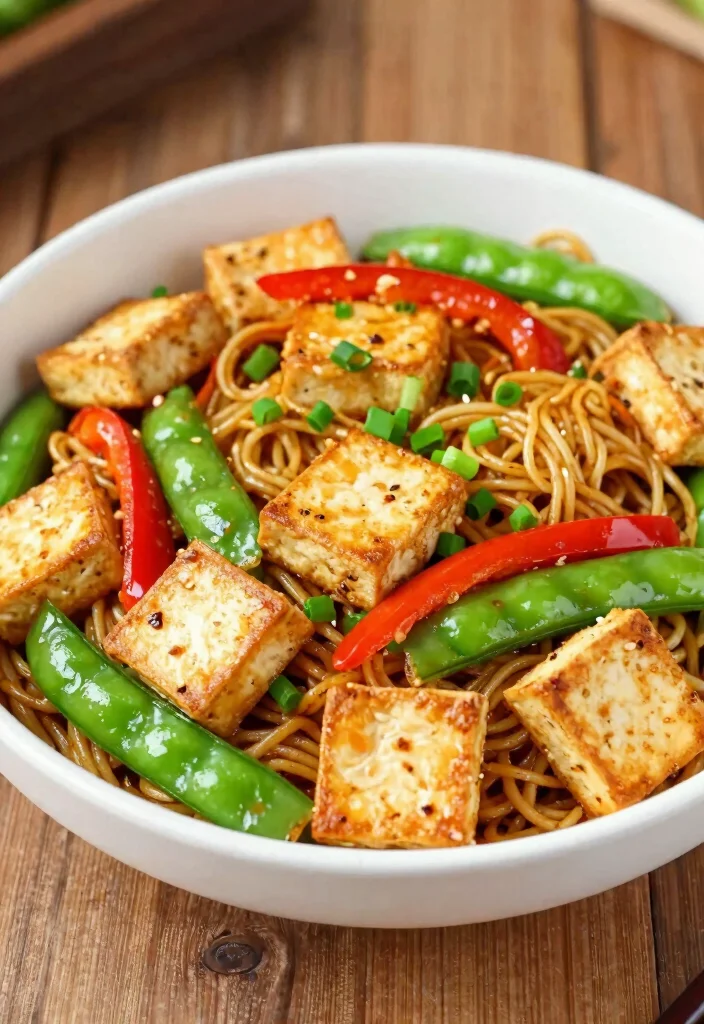
Want a meal that’s bursting with flavor? Spicy Tofu Noodles with Vegetables is the answer! With marinated tofu pan-fried to a golden crisp, it contrasts beautifully with soft noodles and a medley of colorful vegetables. This balanced dish comes together in just 30 minutes, making it ideal for any night of the week.The gochujang sauce adds an irresistible heat that excites your taste buds, ensuring every bite is memorable.
Ingredients:
– 200g noodles of choice
– 1 block firm tofu, pressed and cubed
– 1 cup bell peppers, sliced
– 1 cup snap peas
– 2 tablespoons gochujang
– 2 tablespoons soy sauce
– 1 tablespoon vegetable oil
– Green onions for garnish
Instructions:
1. Cook noodles according to package instructions and set aside.
2. In a pan, heat oil and fry the tofu until golden.
3. Add bell peppers and snap peas, cooking until tender.
4. Stir in gochujang and soy sauce, mixing well.
5. Toss in the cooked noodles and serve hot, garnished with green onions.
– For added protein, consider tossing in some edamame.
– Adjust the gochujang for desired spice levels.
FAQs:
– Can I use other protein sources? Yes, tempeh works wonderfully as well.
– Is this dish easy to customize? Absolutely! Feel free to add any veggies you have on hand.
Spicy Tofu Noodles with Vegetables
Editor’s Choice
Price updated on December 17, 2025 at 5:56 PM
Chung Jung One Sunchang Gochujang – Red Pepper Paste (6.6lbs) (3kg)

K-Tech USA Gochujang Sauce – Pack of Two (2) 12.16 oz Korean-Style Hot &…
Hodo Soy Beanery, Tofu Firm Organic, 10 Ounce | Pack of 3
Koyo Ramen Soup, Asian Vegetable, Made With Organic Noodles, No MSG, No …
12. Cabbage and Noodle Stir-Fry

In need of a quick, delicious meal? This Cabbage and Noodle Stir-Fry is the perfect solution! With crunchy cabbage and tender noodles, this dish offers satisfying textures and flavors. Tossed with soy sauce, sesame oil, and garlic, it’s a simple yet delightful meal that comes together swiftly.Ideal for busy weeknights, this recipe allows you to use leftover vegetables, making it both economical and tasty.
Ingredients:
– 200g noodles of choice
– 2 cups cabbage, shredded
– 1 carrot, julienned
– 1 tablespoon soy sauce
– 1 tablespoon sesame oil
– 2 cloves garlic, minced
– Sesame seeds for garnish
Instructions:
1. Cook the noodles according to package instructions and set aside.
2. In a pan, heat sesame oil and sauté garlic until fragrant.
3. Add cabbage and carrot, stir-frying until just tender.
4. Toss in the cooked noodles and soy sauce, mixing well.
5. Serve warm, garnished with sesame seeds.
– Add other leftover vegetables for extra flavor.
– Try topping with chili flakes for an added kick.
FAQs:
– Is this dish suitable for meal prep? Yes, it holds up well in the fridge for a couple of days.
– Can I make it gluten-free? Yes, simply use gluten-free noodles and soy sauce.
Cabbage and Noodle Stir-Fry
Editor’s Choice
Price updated on December 17, 2025 at 5:56 PM
![Organic Glass Noodles – [12 Pack] – Gluten-Free | Sugar Free | Korean Sw...](https://m.media-amazon.com/images/I/61ECpu-fAmL._AC_UL320_.jpg "12 Vegan Korean Noodle Recipes with Bold Umami Flavor 124")
Organic Glass Noodles – [12 Pack] – Gluten-Free | Sugar Free | Korean Sw…

Lotus Foods Organic Millet & Brown Rice Ramen – Gluten Free Ramen Noodle…
Kevala Organic Extra Virgin Sesame Oil – Cold Pressed, Unrefined & Non-G…
San-J – Gluten Free Tamari Soy Sauce – Specially Brewed – Made with 100%…

YAMASAN KYOTO UJI Soy Sauce Double Brewed Vintage 1000 Days Aged, Japane…
Conclusion
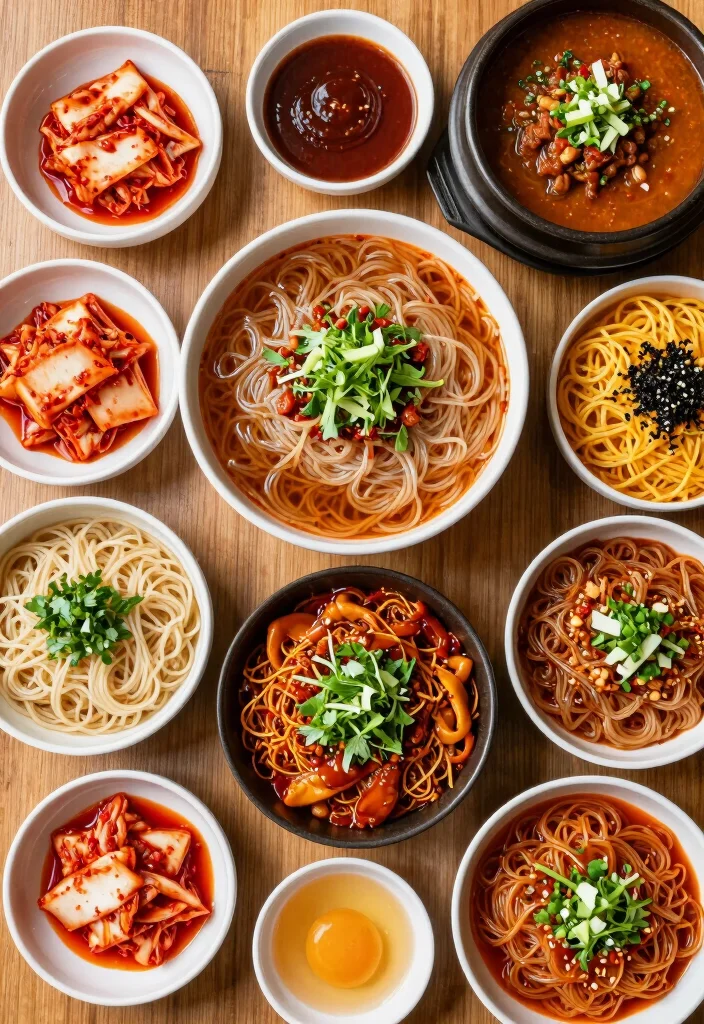
These 12 vegan Korean noodle recipes showcase the delightful range and versatility within Korean cuisine. From spicy soups to refreshing salads, the bold umami flavors combined with fermented ingredients make each dish a unique experience.
Incorporating these recipes into your meal planning can not only add variety to your diet but also introduce you to the rich culinary traditions of Korea. So grab those noodles and start cooking!
Note: We aim to provide accurate product links, but some may occasionally expire or become unavailable. If this happens, please search directly on Amazon for the product or a suitable alternative.
This post contains Amazon affiliate links, meaning we may earn a small commission if you purchase through our links, at no extra cost to you.
Frequently Asked Questions
Question: What makes these vegan Korean noodle recipes bold in umami?
These vegan korean noodle recipes rely on fermented ingredients common in Korean cuisine, such as gochujang, doenjang, and miso, plus soy sauce or tamari and a splash of kombu broth to build deep umami flavors. They deliver savory depth without animal products.
Expect layers of spice, savoriness, and a touch of sweetness, often built with aromatics and mushrooms to boost depth.
They’re plant-based meals that still feel indulgent, making them part of healthy noodle dishes without sacrificing bold taste.
Question: Can I Adapt These Vegan Korean Noodle Recipes for Gluten-Free or Allergen-Friendly Diets?
Yes. Use gluten-free tamari instead of soy sauce, and choose gluten-free versions of gochujang and miso (check labels). Opt for rice noodles or other gluten-free noodles instead of wheat-based ones. Always read ingredient lists on fermented products for hidden gluten. You can still get rich umami by adding miso or dried mushrooms, and finish with a splash of sesame oil for aroma.
With vegan noodles and Korean cuisine flavors, you can keep the flavors bold while staying allergy-friendly and plant-based meals friendly.
Question: Which Fermented Ingredients Give the Strongest Umami, and How Should I Use Them in Vegan Noodles?
Top contenders are gochujang, doenjang, miso, and soy sauce or tamari, plus flavor boosters like dried shiitake mushrooms and kombu. Start with small amounts and taste as you go. Build layers by sautéing aromatics, then whisk in your fermented paste with a little stock, adjust with a touch of sweetness and acidity (rice vinegar or sugar), and finish with sesame oil or toasted sesame seeds.
These umami recipes work across many vegan noodles in the collection and enhance your healthy noodle dishes with depth.
Question: How Should I Store and Reheat These Noodle Dishes to Keep Them Tasting Great?
For best texture, store noodles separate from sauce and vegetables. Refrigerate in airtight containers for up to 3-4 days. Reheat gently on the stove with a splash of water or broth, or in the microwave with short intervals, until heated through. If noodles have softened too much, refresh by briefly boiling or sautéing with a little oil. Add fresh greens or toppings at the end to regain texture.
Batch-cook a few sauces and noodles ahead for quick plant-based meals during the week.
Question: Are These Recipes Beginner-Friendly and Kid-Friendly?
Absolutely. The base sauces are straightforward, and you can control spice by dialing back gochugaru or gochujang. Start with simple noodle shapes like rice noodles and mild sauces. Top with sesame seeds, scallions, and steamed veggies to keep textures appealing for kids. If you need a milder version, skip chili paste and rely on miso and mushrooms for savoriness. They’re a great introduction to Korean cuisine in a vegan noodles format and a tasty addition to any healthy noodle dishes lineup.
Related Topics
vegan korean noodle recipes
umami flavors
plant-based meals
fermented ingredients
healthy noodle dishes
easy vegan recipes
Korean cuisine
quick vegan meals
noodle dishes
spicy noodles
vegan comfort food
meal prep